
Mirrorless vs DSLR Cameras in 2026: Which Should You Choose?
If you’re buying a camera in 2026, one of the biggest questions you’ll face is whether to choose a mirrorless camera or a DSLR. While mirrorless cameras have become increasingly popular in recent years, DSLRs still offer plenty of value—especially for certain photographers and budgets.
Both systems are capable of producing incredible images, but they differ in design, handling, autofocus, battery life, and overall shooting experience.
In this guide, we’ll break down the key differences between mirrorless and DSLR cameras, explain the pros and cons of each, and help you decide which system is right for your photography.

What’s the Difference?
The main difference comes down to how the camera captures and displays the image.
DSLR Cameras
DSLR stands for Digital Single-Lens Reflex. These cameras use:
-
A mirror system
-
An optical viewfinder
-
A mechanical shutter
When you look through the viewfinder, you’re seeing directly through the lens using mirrors inside the camera body.
Mirrorless Cameras
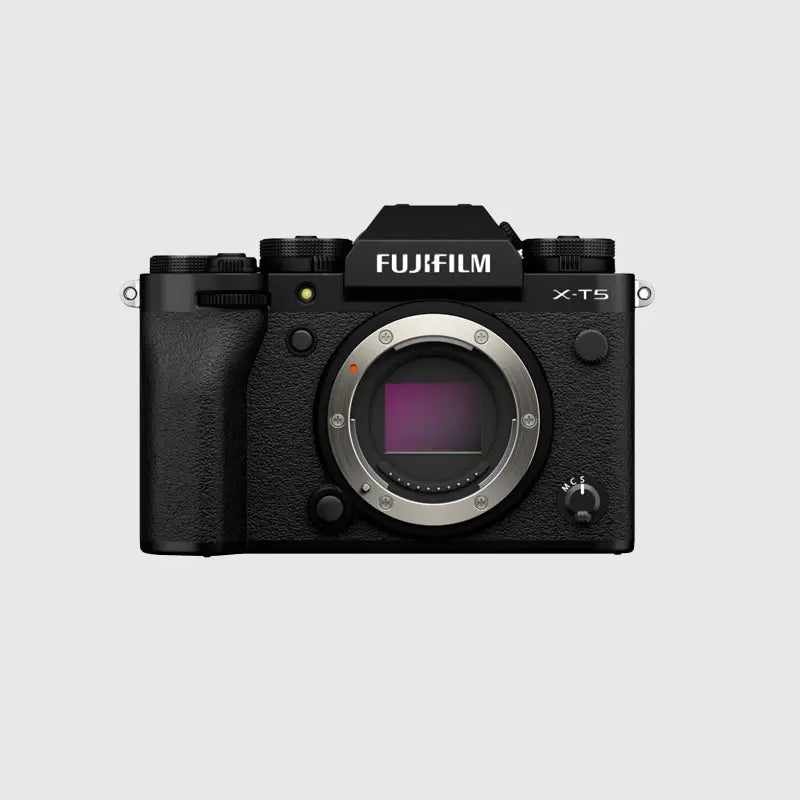
Mirrorless cameras remove the internal mirror system entirely.
Instead, they use:
-
An electronic viewfinder (EVF) or LCD screen
-
A live digital feed from the sensor
This allows for smaller bodies and more advanced real-time shooting features.

📸 Size & Weight
One of the biggest advantages of mirrorless cameras is portability.
Mirrorless Advantages
-
Smaller bodies
-
Lighter overall setups
-
Easier for travel and everyday carry
👉 Ideal for:
-
Travel photography
-
Street photography
-
Content creation
DSLR Advantages
-
Larger grips can feel more comfortable
-
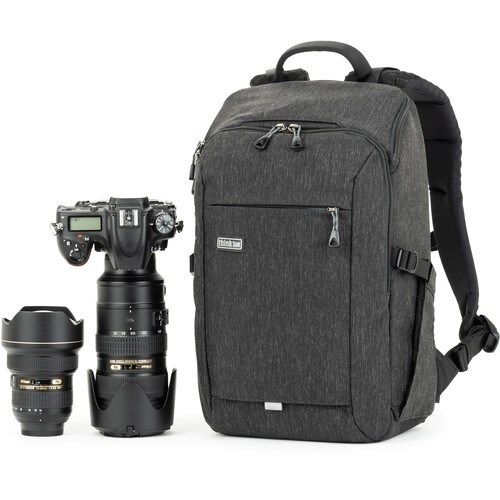
Better balance with large telephoto lenses
-
Often preferred for long shooting sessions
👉 Some photographers simply prefer the feel of a DSLR in hand.

⚡ Autofocus Performance
This is one area where mirrorless cameras have advanced rapidly.
Mirrorless Autofocus
Modern mirrorless systems offer:
-
Eye detection autofocus
-
Subject tracking
-
Animal autofocus
-
Faster live autofocus during video
👉 Excellent for:
-
Wildlife
-
Sports
-
Video
-
Fast-moving subjects
DSLR Autofocus
DSLR autofocus is still reliable—especially on professional models—but generally less advanced in live view and video modes.
👉 DSLRs still perform very well for:
-
Portraits
-
Landscapes
-
General photography

🎥 Video Capabilities
Mirrorless cameras dominate the video market in 2026.
Most mirrorless systems now include:
-
Advanced autofocus tracking
-
4K and 6K recording
-
Better stabilisation
-
Faster frame rates
-
Compact creator-friendly designs
👉 If video is important to you, mirrorless is usually the stronger choice.

🔋 Battery Life
This is one area where DSLRs still often win.
DSLR Advantages
Because optical viewfinders don’t require power:
-
DSLRs can shoot significantly longer on a single battery
👉 Great for:
-
Long events
-
Wildlife sessions
-
Travel without charging access
Mirrorless Considerations
Mirrorless cameras use electronic displays constantly, which drains batteries faster.
👉 Carrying spare batteries is strongly recommended.

👀 Viewfinder Experience
This comes down to personal preference.
DSLR Optical Viewfinder
-
Natural, real-world view
-
No screen lag
-
Traditional shooting experience
Some photographers still love this direct connection to the scene.
Mirrorless Electronic Viewfinder
Mirrorless EVFs show:
-
Real-time exposure preview
-
White balance preview
-
Focus peaking
-
Histograms and overlays
👉 What you see is much closer to the final image.

🎒 Lens Selection
Both systems now offer excellent lens options.
DSLR Systems
-
Huge second-hand market
-
Large selection of older lenses
-
Often more affordable used gear
👉 Great value for beginners on a budget.
Mirrorless Systems
-
Newer lens technology
-
Faster autofocus
-
Better optical designs in many cases
👉 Lens ecosystems continue to grow rapidly.

💰 Price & Value
DSLR Advantages
-
Excellent value on the used market
-
Lower entry cost in many cases
-
Ideal for budget-conscious beginners
Mirrorless Advantages
-
Better future system support
-
More modern features
-
Stronger hybrid photo/video performance
👉 Mirrorless often costs more initially, but offers more long-term flexibility.

Who Should Choose a Mirrorless Camera?
Mirrorless is ideal if you:
-
Shoot both photo and video
-
Want advanced autofocus
-
Prefer lightweight gear
-
Travel regularly
-
Want the latest technology
Best for:
-
Content creators
-
Wildlife photographers
-
Travel shooters
-
Hybrid creators

Who Should Choose a DSLR?
A DSLR may still be the better choice if you:
-
Prefer an optical viewfinder
-
Want maximum battery life
-
Mainly shoot stills
-
Want strong value for money
-
Already own DSLR lenses
Best for:
-
Beginners on a budget
-
Traditional photographers
-
Long shooting sessions
-
Used gear buyers

⚠️ Common Mistakes to Avoid
-
Assuming DSLR means “outdated”
-
Buying based only on specs
-
Ignoring lens availability and cost
-
Choosing a system before considering what you shoot
-
Overspending on features you may never use
💡 Pro Tips
-
The best camera is the one that suits your shooting style—not the newest model
-
Don’t underestimate the value of good lenses over camera bodies
-
If possible, try both systems in person before deciding
-
Mirrorless is the future of the industry—but DSLR still offers excellent value
-
Consider long-term system growth before investing heavily
Pro tip: If you’re mainly interested in photography and want excellent value, a DSLR kit can still be one of the smartest ways to start in 2026.

Recommended Gear Paths
Beginner-Friendly DSLR Setup
-
DSLR body
-
Standard zoom lens
-
Affordable prime lens
👉 Great value and ideal for learning photography fundamentals.
Beginner-Friendly Mirrorless Setup
-
Compact mirrorless body
-
Versatile zoom lens
-
Lightweight everyday kit
👉 Ideal for hybrid shooting and future flexibility.

FAQ
Are DSLRs still worth buying in 2026?
Absolutely. DSLRs still produce fantastic image quality and can offer excellent value, especially on the used market.
Is mirrorless better than DSLR?
Not always—it depends on your priorities. Mirrorless offers newer technology, while DSLR often offers better battery life and lower cost.
Do professionals still use DSLRs?
Yes, although many professionals have transitioned to mirrorless systems in recent years.
Which is better for beginners?
Both can be excellent. Mirrorless is easier for learning exposure visually, while DSLRs often provide better value.
Which is better for video?
Mirrorless cameras are generally the better choice for modern video features and autofocus.

Conclusion
The mirrorless vs DSLR debate isn’t really about which system is “better”—it’s about which system is better for you.
Mirrorless cameras offer cutting-edge autofocus, strong video features, and compact designs, making them incredibly versatile for modern creators. DSLRs, however, still deliver excellent image quality, fantastic battery life, and incredible value—especially for photographers focused primarily on stills.
Whichever route you choose, understanding your shooting style and long-term goals is far more important than following trends.
If you’re unsure which system is right for you, feel free to speak to our team—we’re always happy to help you find the right setup for your photography.